
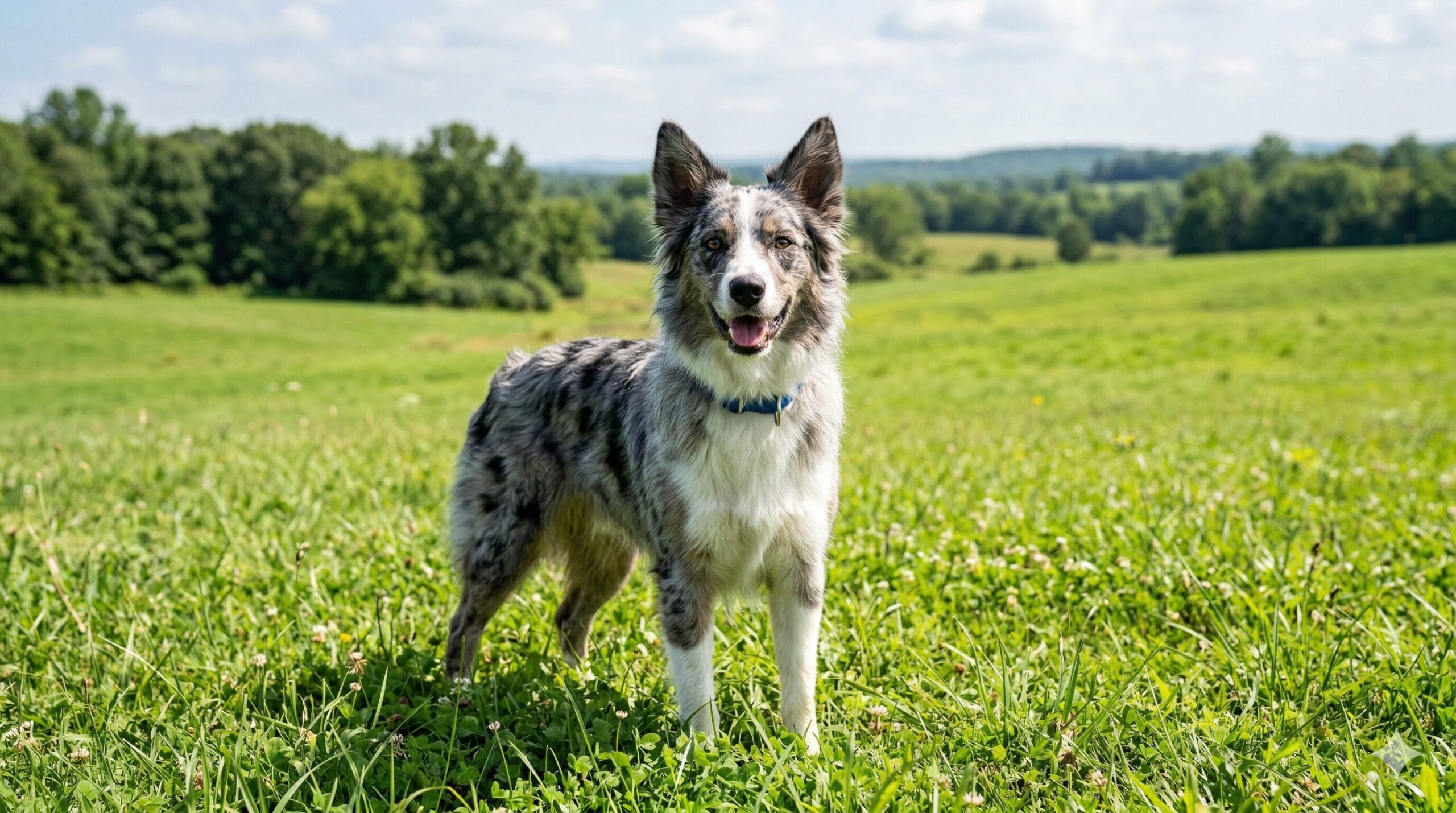
Every australian shepherd breed guide should open with the same honest warning: this is one of the most misunderstood breeds in America. Aussies are gorgeous, brilliantly intelligent, and deeply loyal — but they were purpose-built to work 10 or more hours a day herding livestock. Without the right exercise, mental stimulation, and training, that same brilliance becomes a serious problem in your living room. This australian shepherd breed guide gives you the complete picture so you can decide if an Aussie is the right fit before you fall in love at the dog park.
Australian Shepherd Breed Guide: Breed Overview
Despite the name, Australian Shepherds were developed in the American West during the 1800s, most likely from herding dogs brought by Basque shepherds. American ranchers refined the breed for intelligence, trainability, and near-limitless endurance.
Key stats:
– Height: 18–23 inches at the shoulder
– Weight: 40–65 lbs (females slightly smaller)
– Lifespan: 12–15 years
– Energy level: Very high
– Coat: Medium-length double coat; straight to wavy
– Colors: Blue merle, red merle, black, red — all with or without white and tan markings
The American Kennel Club formally recognized the breed in 1993. Aussies consistently rank in the top 15 most popular breeds in the U.S. — which is partly why so many end up in rescue. Their popularity often outpaces realistic owner preparation, and this australian shepherd breed guide aims to change that.
What Every Australian Shepherd Breed Guide Must Address: Exercise and Mental Stimulation
This section matters more than any other in this australian shepherd breed guide. Aussies need 1.5–2 hours of vigorous, purposeful exercise every single day. Not a casual walk. Not a lap around the yard while you check your phone. We mean running, fetch, agility work, hiking, or frisbee — activities that genuinely challenge their body.
But here’s what even experienced dog owners often miss: physical exercise alone is not enough. Aussies are working dogs whose brains are as demanding as their bodies. A tired Aussie that’s been out for a 2-hour run but received no mental challenge will still be destructive, anxious, and frustrated.
Mental stimulation activities that work well:
– Puzzle feeders — Feed meals in a puzzle toy instead of a bowl. The Outward Hound Nina Ottosson Dog Brick [Amazon] ($20–$25) is a strong starting point.
– Nose work and scent games — Hide treats around the house or yard. This is mentally exhausting in the best way.
– Obedience and trick training — A 15-minute training session engages their problem-solving mind more than 30 minutes of jogging.
– Herding and agility — If you have access to herding clinics or agility classes, this is the work Aussies were born for.
– Frisbee and flyball — High-intensity sports that combine athletic skill with trained focus.
A heavy-duty chew toy like the KONG Extreme [Amazon] ($15–$20) helps channel nervous energy during downtime.
Signs your Aussie is under-stimulated:
– Destructive chewing of furniture, baseboards, or personal items
– Excessive barking at nothing
– Herding behavior directed at children, pets, or you — nipping at heels
– Compulsive behaviors like spinning or shadow-chasing
– Hyperactivity that doesn’t diminish with exercise
If you’re seeing these behaviors, it’s almost always a stimulation deficit — not a bad dog.
Australian Shepherd Temperament
Once you understand their working nature, the rest of the temperament in this australian shepherd breed guide makes complete sense.
Intensely loyal: Aussies typically bond deeply with one or two primary people. This creates an extraordinary partnership but can tip into velcro behavior and separation anxiety if independence isn’t built from puppyhood.
Highly trainable: The flip side of all that intelligence is that Aussies are among the most trainable breeds in the world. They pick up commands quickly, remember complex sequences, and genuinely enjoy learning. Positive reinforcement is highly effective. Harsh corrections create anxiety in Aussies and consistently derail training progress.
Cautious with strangers: Aussies are not aggressive, but they’re not Golden Retriever-friendly with everyone they meet either. Many are reserved with new people and require thorough socialization from an early age to prevent fearfulness or reactivity. Puppy classes and frequent positive exposure during the first year are critical.
Strong herding instinct: This is hardwired. Aussies will try to herd children, small animals, and sometimes adults by circling, nipping at heels, and using intense eye contact. This instinct must be managed through training and redirected to appropriate outlets.
Vocal: Aussies bark — at sounds, strangers, movement, and sometimes seemingly at nothing. Manageable with training, but worth knowing.
Living Space Requirements
This australian shepherd breed guide won’t sugarcoat it: Aussies can adapt to smaller living spaces — including apartments — but only with an absolute, non-negotiable commitment to daily activity. A large house and yard does not substitute for actual exercise. We’ve seen miserable Aussies in sprawling rural properties and well-adjusted Aussies in city apartments. The difference was always owner commitment.
A fenced yard is a significant advantage. Make sure any fence is at least 6 feet tall — Aussies are skilled jumpers and climbers. For city dwellers, plan to build their exercise into your daily schedule with the same consistency as eating or sleeping.
Training Needs
Start training your Aussie from the day they arrive home. These dogs learn fast, which means they pick up bad habits just as quickly as good ones.
Priority training areas:
- Sit, stay, leave it, recall — Basics with real reliability. A solid “come” is a safety necessity for a fast, reactive dog.
- Leash manners — Without training, Aussies pull and lunge. A front-clip harness like the Ruffwear Front Range Harness [Amazon] ($45–$60) combined with consistent loose-leash training makes a real difference.
- Crate training — Builds the independence needed to prevent separation anxiety.
- Herding redirect — Address nipping immediately. Redirect herding impulses to fetch, frisbee, or tug.
Group puppy classes cover both training and critical socialization simultaneously. An essential investment for this breed.
If you’re comparing Aussies with other intelligent, high-energy breeds, our German Shepherd vs Golden Retriever comparison addresses relevant considerations for working-dog owners.
Australian Shepherd Health Issues
This section of the australian shepherd breed guide covers the most important conditions to know before purchasing or adopting.
MDR1 Gene Mutation (Multi-Drug Resistance 1)
This is the most breed-specific health concern for Aussies. The MDR1 mutation makes affected dogs hypersensitive — sometimes fatally — to common medications including certain heartworm preventatives (ivermectin), anti-diarrheal drugs (loperamide/Imodium), and some chemotherapy agents.
Approximately 50% of Australian Shepherds carry at least one copy of the mutation. Testing is simple and inexpensive through Washington State University’s Veterinary Clinical Pharmacology Lab. Test your Aussie before any drug treatment and alert every veterinarian to their MDR1 status.
Hip Dysplasia
Reputable breeders screen and provide OFA clearances. Ask before purchasing.
Eye Conditions
Australian Shepherds have elevated rates of Collie Eye Anomaly (CEA) and Progressive Retinal Atrophy (PRA). Ask breeders for CAER eye exam clearances and genetic testing results.
Epilepsy
Idiopathic epilepsy occurs at a higher rate in Aussies than many breeds. See your vet immediately if your dog has a seizure.
Double Merle Issues
Two merle parents bred together produce double merles that frequently suffer from blindness, deafness, and other serious defects. Never purchase a double merle intentionally.
Is an Australian Shepherd Right for You?
Every honest australian shepherd breed guide ends with this question. Be direct with yourself.
Aussies are a poor fit if you:
– Work long hours without exercise coverage for your dog
– Live in a small space without easy access to open areas
– Want a calm, low-maintenance companion
– Have very young children and can’t manage the herding instinct
Aussies are an extraordinary fit if you:
– Lead an active outdoor lifestyle
– Have the time and commitment to train and engage daily
– Want a deeply loyal, highly capable working partner
– Are prepared to invest in socialization, training, and veterinary care
For new owners evaluating whether an Aussie is too much dog, our best dogs for first-time owners guide covers breeds that may be a better starting point.
Frequently Asked Questions: Australian Shepherd Breed Guide
How much exercise does an Australian Shepherd really need?
At minimum, 1.5–2 hours of vigorous exercise per day, every day. As emphasized throughout this australian shepherd breed guide, daily consistency is critical. Mental stimulation on top of physical exercise is equally important — a mentally bored Aussie is a destructive Aussie.
Are Australian Shepherds good family dogs?
Yes, for the right family. They’re loyal, loving, and great with children they’re raised with. However, their herding instinct can manifest as nipping at small children’s heels. Families with active older kids (7+) and the time to properly train and exercise them are the best fit.
Do Australian Shepherds shed a lot?
Yes, significantly. Their medium-length double coat sheds moderately year-round and heavily twice a year. Brushing 2–3 times weekly — daily during shedding season — with an undercoat rake and slicker brush keeps shedding manageable. Not a good choice for allergy sufferers.
Can Australian Shepherds live in apartments?
Technically yes, with a hard commitment to 2+ hours of daily outdoor activity. Many city Aussie owners supplement with doggy daycare 2–3 days per week to manage their dog’s needs.
What is the MDR1 mutation and why does it matter?
The MDR1 mutation affects roughly half of all Aussies and makes them hypersensitive to certain drugs, including some heartworm preventatives and anti-diarrheal medications. Some reactions can be fatal. Test your Aussie and make sure every treating vet knows their status.
Are Australian Shepherds easy to train?
They’re among the most trainable breeds in the world — but trainable doesn’t mean effortless. Aussies respond beautifully to positive reinforcement but can develop anxiety with harsh or inconsistent methods. Most owners find that investing in a good trainer early pays dividends for years.