
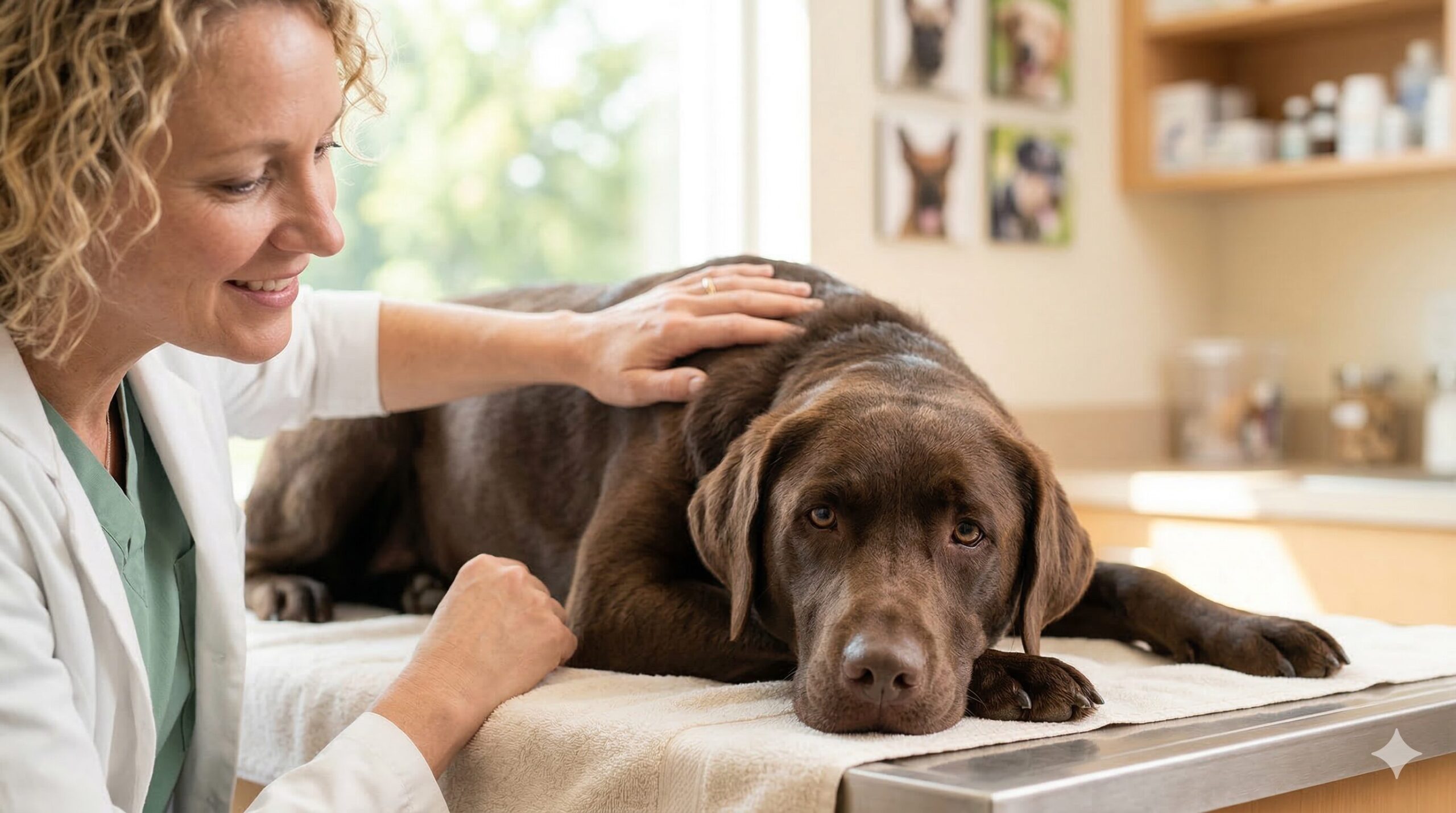
Understanding labrador retriever health issues is essential for every Lab owner who wants to keep their dog healthy and thriving throughout their life. Labradors are generally healthy dogs with a solid 10-12 year lifespan, but they’re prone to several genetic and breed-specific health conditions. If you own a Lab or are thinking about getting one, learning about these common issues can help you catch problems early and keep your dog living their best life.
We’ve compiled the most important health issues Labrador owners need to know about, along with practical prevention and management strategies.
1. Hip and Elbow Dysplasia: The Most Common Labrador Retriever Health Issues
Hip and elbow dysplasia are structural problems where the joint doesn’t fit together properly, leading to arthritis and pain. These conditions are extremely common in Labradors, affecting approximately 20% of the breed. The Orthopedic Foundation for Animals maintains registries to help breeders reduce dysplasia in their lines.
What to know:
– Dysplasia is hereditary, though environmental factors (rapid growth, obesity, poor nutrition) can worsen it
– Symptoms typically appear between ages 4-8 years
– Labs with dysplasia may limp, have difficulty rising, or show reluctance to jump or play
– Diagnosis requires X-rays from a vet
Prevention and management:
– Buy from breeders who screen parents with OFA (Orthopedic Foundation for Animals) scores — the American Kennel Club’s health testing page explains what certifications to look for
– Keep your Lab at a healthy weight—extra pounds put strain on joints
– Provide low-impact exercise (swimming is excellent for Labs with joint issues)
– Consider joint supplements with glucosamine and chondroitin. PetMD recommends starting supplementation early for large breeds predisposed to dysplasia
– Anti-inflammatory medications and physical therapy can help manage pain
Treatment costs typically range from $1,500-$3,000 for management, with surgery costing $4,000-$8,000 if severe.
2. Obesity: A Growing Problem in Labs
Labradors have an almost legendary appetite—they’re hardwired to eat, which is why approximately 60% of Labs are overweight or obese. This isn’t just a cosmetic issue; obesity accelerates almost every other labrador retriever health issues problem on this list.
Why Labs gain weight so easily:
– They were bred to retrieve game birds over long distances, giving them exceptional food motivation
– As house pets, many don’t get the exercise their genetics demand
– Their “food-focused” nature makes them vulnerable to overfeeding
The obesity cascade:
– Overweight Labs develop joint problems faster and more severely
– Obesity increases cancer risk, heart disease, and diabetes
– Extra weight puts strain on the respiratory system
Weight management strategies:
– Measure portions carefully (most owners overfeed by 20-30%)
– Use low-calorie treats like green beans, carrots, or air-popped popcorn
– Increase exercise—Labs need 60-90 minutes of activity daily
– Consider puzzle feeders or sniff games to slow eating and provide mental stimulation
– Work with your vet to establish a healthy weight target for your individual dog
A healthy adult Lab should weigh 55-80 pounds depending on sex and build, though many Labs exceed this.
3. Exercise-Induced Collapse (EIC): A Hidden Genetic Threat
Exercise-Induced Collapse is a genetic neurological condition that causes temporary muscle weakness or paralysis during intense exercise, particularly in hot weather. While not immediately life-threatening, EIC is frightening and can be dangerous.
Key facts:
– EIC is autosomal recessive, meaning both parents must carry the gene for pups to be affected
– Symptoms appear during or shortly after vigorous exercise
– The dog may stumble, lose coordination, or collapse completely
– Recovery typically occurs within 30 minutes of rest and cooling
– No permanent damage occurs, but repeated episodes are stressful
Managing EIC:
– Request genetic testing for EIC before breeding (DNA tests are simple and inexpensive)
– If your Lab has EIC, avoid strenuous exercise in heat
– Keep your dog cool during activity
– Take frequent breaks during play sessions
– Avoid swimming or retrieving in hot conditions
Labs with EIC can still have excellent quality of life with activity modification.
4. Progressive Retinal Atrophy (PRA): Blindness in Labs
Progressive Retinal Atrophy is a genetic eye disease that degenerates the retina, eventually causing complete blindness. It typically appears in Labs between ages 4-7 years.
What happens:
– Night blindness develops first (owners notice reluctance to go outside at dusk)
– Over months or years, daytime vision deteriorates
– Most affected Labs are completely blind by age 8-9
– The condition is painless but impacts quality of life
Management:
– Responsible breeders screen dogs with CERF (Canine Eye Registration Foundation) exams
– No cure exists, but affected dogs adapt surprisingly well to blindness
– Keep your home consistent and safe (don’t rearrange furniture)
– Use verbal cues consistently
– Many blind Labs live happy, full lives with their owners’ support
5. Centronuclear Myopathy (CNM): Muscle Weakness
Centronuclear Myopathy is a genetic muscle disease causing weakness and poor exercise tolerance. Puppies with CNM often show symptoms by 3-5 months of age.
Symptoms include:
– Muscle weakness and poor coordination
– Exercise intolerance and early fatigue
– Difficulty climbing stairs or jumping
– Collapsed rear limbs in severe cases
Current status:
– A genetic test is now available to identify carriers
– Responsible breeders test parents and avoid breeding two carriers
– No cure exists, but affected dogs can be managed with activity limitation
– Many CNM-affected Labs live comfortable lives with their symptoms managed
6. Tricuspid Valve Dysplasia (TVD): A Heart Defect
Tricuspid Valve Dysplasia is a congenital heart condition where the tricuspid valve doesn’t form properly, affecting blood flow. It’s one of the most common congenital heart defects in Labs.
What to watch for:
– Exercise intolerance and fatigue
– Shortness of breath
– Heart murmurs detected by vets
– Fainting episodes
– Fluid accumulation (swollen belly)
Management:
– Diagnosis requires ultrasound (echocardiogram)
– Mild cases may require only activity restriction
– Severe cases may need medications or surgery
– Breeders should use echocardiograms to screen parent dogs
7. Bloat (GDV): A Life-Threatening Emergency
Gastric Dilatation-Volvulus, or bloat, is one of the most serious emergencies in dogs. The stomach fills with gas and twists, cutting off blood supply. Bloat is fatal without emergency surgery, making it one of the most feared conditions by Lab owners.
Risk factors unique to Labs:
– Large, deep-chested breed structure
– Eating too fast or too much at once
– Drinking large amounts of water immediately after eating
– Stress or excitement before/after meals
Warning signs—seek emergency care immediately:
– Distended, hard, painful abdomen
– Unproductive vomiting or dry heaving
– Restlessness and panting
– Inability to get comfortable
– Collapse or shock
Prevention strategies:
– Feed multiple small meals rather than one large meal
– Use slow-feeder bowls to reduce gulp speed
– Wait 1-2 hours after eating before vigorous exercise
– Discourage gulping water during meals
– Some vets recommend preventive surgery (gastropexy) for high-risk dogs
Emergency bloat surgery costs $2,000-$5,000 and requires hospitalization.
8. Ear Infections: A Persistent Problem
Labrador Retrievers have floppy ears and love water—the perfect recipe for chronic ear infections. Labs experience ear infections significantly more often than many other breeds.
Why Labs are prone to ear infections:
– Floppy ears reduce air circulation
– Water easily gets trapped in ear canals
– Their water-loving nature means frequent moisture exposure
– Warm, moist environment creates ideal conditions for bacteria and yeast
Prevention:
– Dry ears thoroughly after swimming or bathing
– Clean ears weekly with a dry cloth or gentle cleanser
– Avoid over-cleaning, which can damage the ear canal
– Trim excessive hair inside the ear canal (ask your groomer)
– Use ear drying solutions after water activities
Signs of infection:
– Redness or swelling inside the ear
– Foul odor
– Excessive scratching or head shaking
– Discharge (waxy, yellowish, or bloody)
– Hearing loss in severe cases
Chronic infections may require prescription ear medications ($20-$50 per treatment) or veterinary cleaning ($100-$300).
9. Skin Conditions and Hot Spots
Labs are prone to skin allergies, yeast overgrowth, and acute moist dermatitis (hot spots). These conditions range from annoying to serious if left untreated.
Common skin issues in Labs:
– Food allergies (chicken, beef, wheat are frequent culprits)
– Environmental allergies (pollen, dust mites, mold)
– Yeast infections in skin folds or between toes
– Hot spots that develop rapidly from intense licking
Management:
– Regular bathing with a quality dog shampoo (every 4-8 weeks)
– Dry thoroughly, especially in skin folds
– Address allergies through diet elimination trials or allergy testing
– Keep nails trimmed to prevent scratching damage
– Use medicated shampoos as recommended by your vet
– Consider omega-3 supplements for skin and coat health
– Prevent hot spots by breaking the itch-scratch cycle quickly
A skin infection workup costs $150-$300; chronic management may require special diets ($30-$60+ monthly).
10. Cancer: A Leading Cause of Death in Labs
Cancer affects Labs at a higher rate than many other breeds, with approximately 1 in 3 Labs developing cancer at some point in their lives. According to VetStreet, this is one of the most serious labrador retriever health issues owners face. It becomes increasingly common in older Labs.
Most common cancers in Labs:
– Lymphoma (cancer of the immune system)
– Hemangiosarcoma (blood vessel cancer, often fatal)
– Mastocytoma (mast cell cancer, skin tumors)
– Osteosarcoma (bone cancer)
– Melanoma (skin cancer)
Prevention and early detection:
– There’s no proven prevention, but maintaining healthy weight and diet may help
– Monthly self-exams: check for lumps, bumps, or unusual skin changes
– Schedule annual vet checkups (twice yearly for dogs over 7)
– Note any changes in eating, energy, or behavior
– Early detection dramatically improves treatment outcomes
Treatment options and costs:
– Chemotherapy: $200-$400 per treatment, typically 4-6 treatments
– Surgery: $1,500-$5,000+ depending on tumor type
– Radiation: $3,000-$10,000 for a course
– Some cancers are managed palliatively with pain medication
11. Laryngeal Paralysis: Common in Senior Labs
Laryngeal Paralysis occurs when the muscles controlling the larynx (voice box) weaken or stop functioning. It’s increasingly common in Labs over 9 years old.
Symptoms:
– Raspy, hoarse bark or loss of voice
– Difficulty breathing, especially during exercise
– Excessive panting at rest
– Stridor (harsh, raspy breathing sounds)
– Gagging or choking episodes
Management:
– Diagnosis requires laryngoscopy (visualizing the larynx)
– Mild cases can be managed with exercise restriction and monitoring
– Surgery (arytenoid lateralization) may help if breathing is severely compromised
– Keep your senior Lab cool to reduce breathing stress
– Avoid exciting situations that increase respiratory demand
Keeping Your Labrador Healthy: Prevention Strategies
While you can’t prevent every health issue, we can take steps to minimize risk and catch problems early:
Regular Veterinary Care:
– Schedule annual checkups for adult Labs
– Increase to twice-yearly visits for dogs over 7
– Discuss preventive screening based on family history
Responsible Breeding:
– Buy from breeders who health-test parents (OFA, CERF, genetic tests)
– Ask about health guarantees and family medical history
Nutrition and Weight Management:
– Feed high-quality, portion-controlled meals
– Avoid table scraps and excessive treats
– Maintain ideal body condition (you should easily feel ribs)
Exercise and Activity:
– Aim for 60-90 minutes of daily activity
– Include low-impact exercise like swimming
– Mental stimulation is equally important
Home Safety:
– Keep toxins, medications, and dangerous foods away
– Maintain a safe, clean environment
– Respond quickly to any signs of illness or injury
FAQ
Q: What is the average lifespan of a Labrador?
A: Healthy Labradors typically live 10-12 years. Labs with well-managed health conditions can live a full, happy life within this range.
Q: How much does it cost to screen a Lab for genetic health issues?
A: Screening tests (OFA, CERF, genetic tests) typically cost $100-$400 total. Many responsible breeders perform these tests before breeding and provide documentation to puppy buyers.
Q: Can exercise really prevent hip dysplasia in Labs?
A: While genetics determine if a Lab is susceptible, appropriate exercise and weight management can significantly reduce the severity of symptoms and delay onset. Avoid excessive jumping and running on hard surfaces in growing puppies.
Q: Is pet insurance worth it for Labs?
A: Given the breed’s predisposition to expensive conditions like hip dysplasia, bloat, and cancer, many Lab owners find insurance valuable. Policies cost $30-$80 monthly depending on coverage level.
Q: Are there any health issues specific to Lab color (black, yellow, chocolate)?
A: No, health issues affect all colors equally. However, chocolate Labs may have higher rates of certain ear infections in some populations—this may be due to breeding practices rather than color genetics.
Q: How often should I take my senior Lab to the vet?
A: Dogs over 7 years benefit from twice-yearly visits (every 6 months) compared to the standard annual checkup. This increased frequency helps catch age-related issues like cancer and laryngeal paralysis earlier.